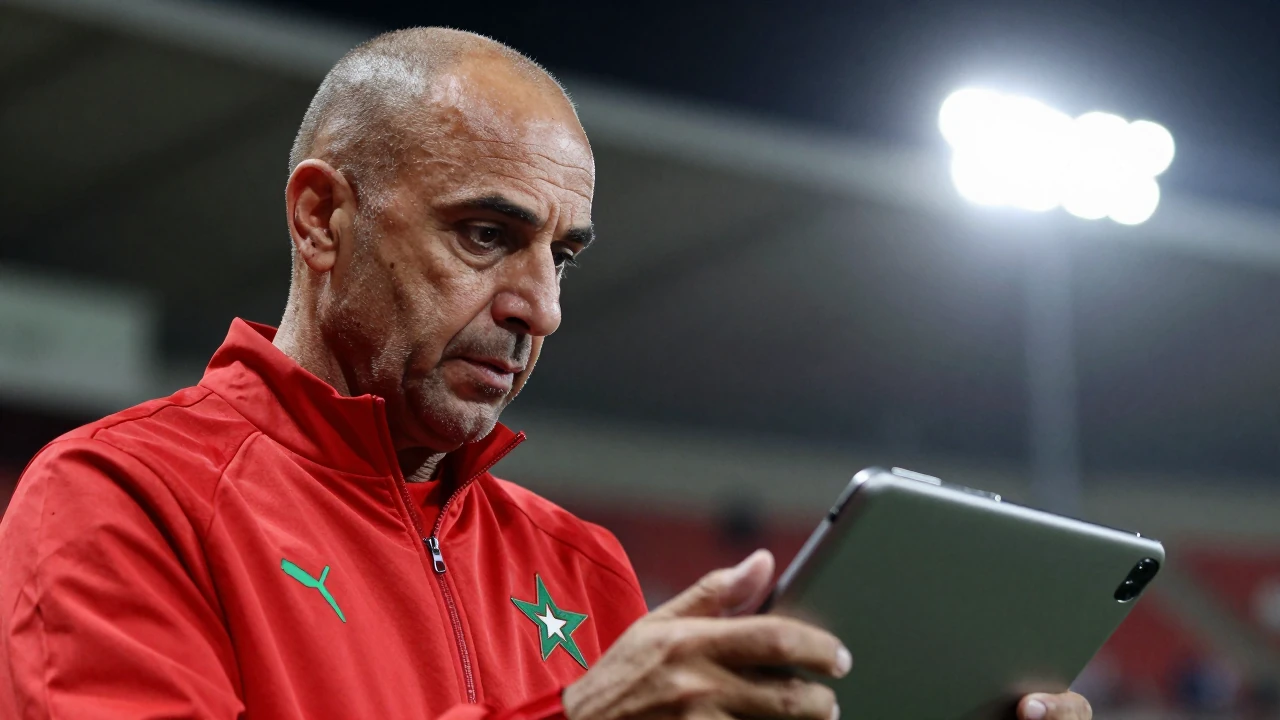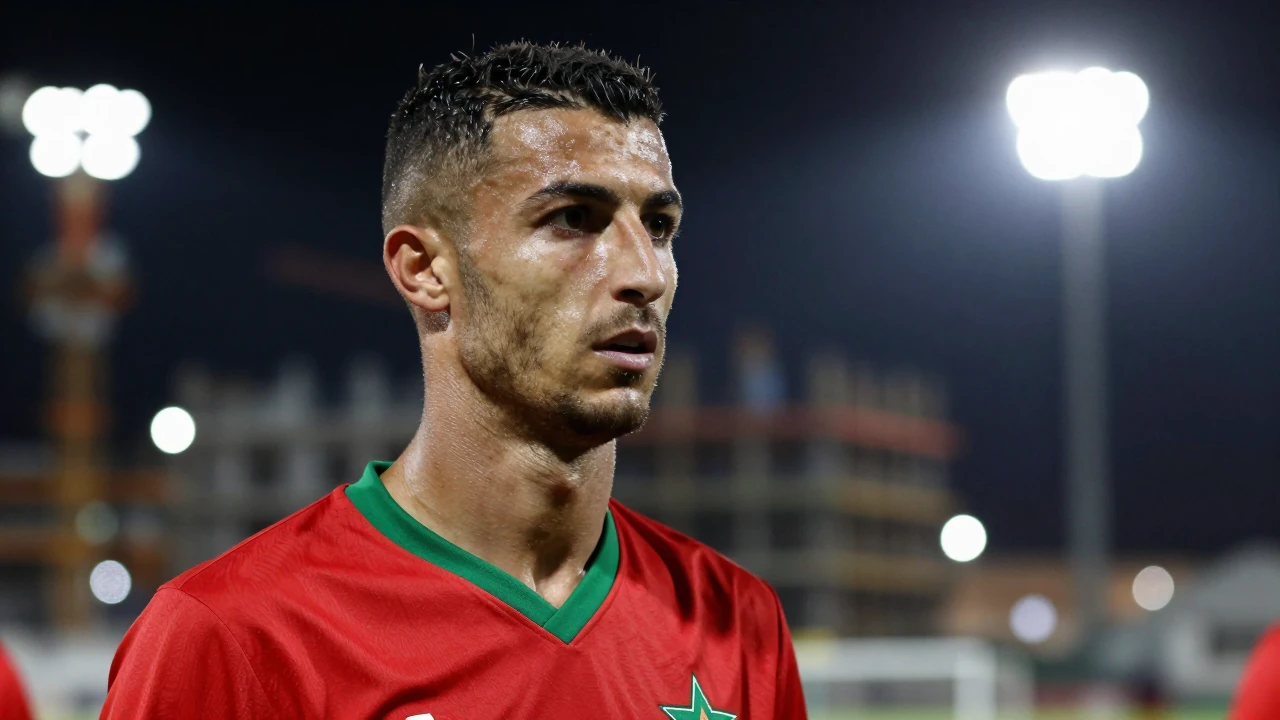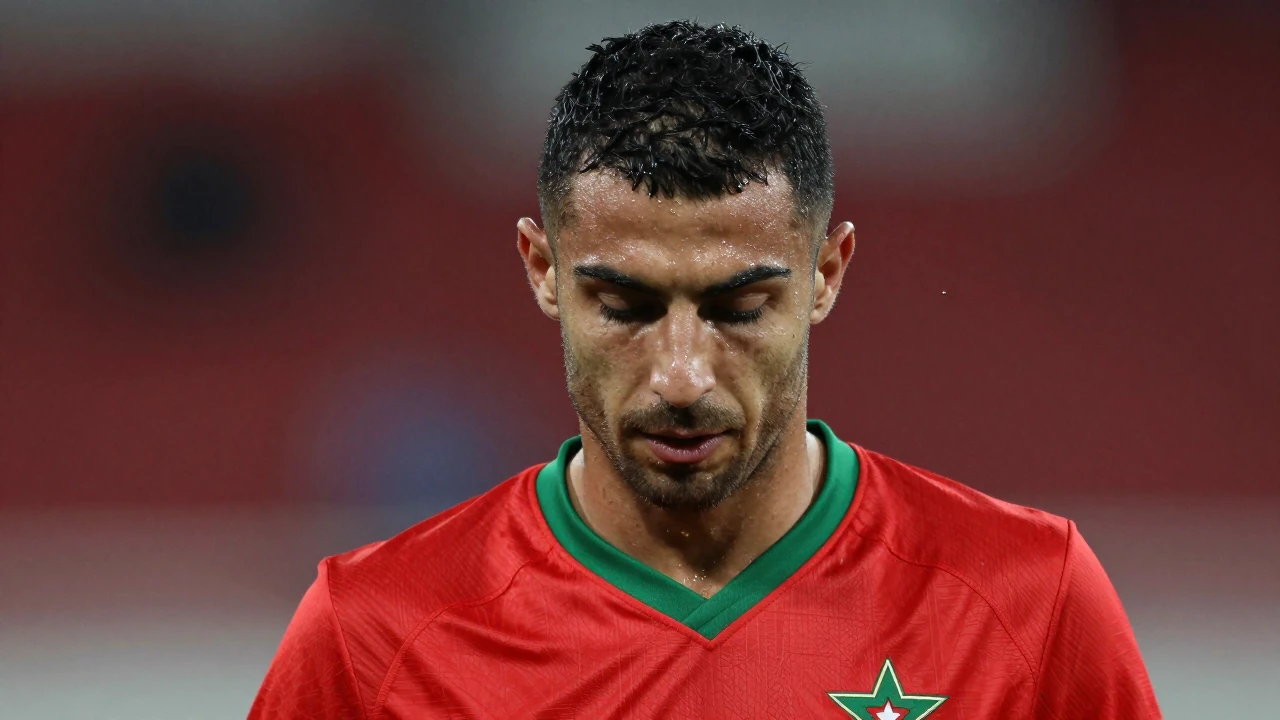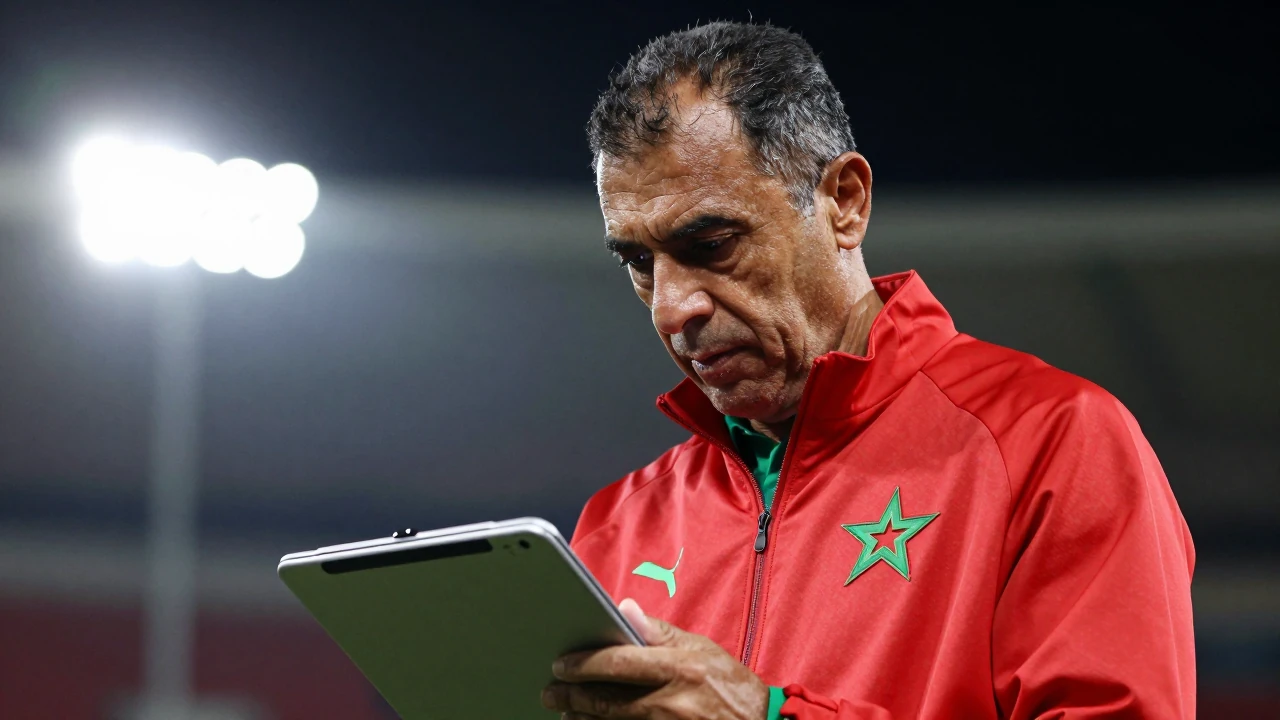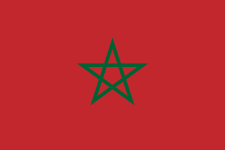
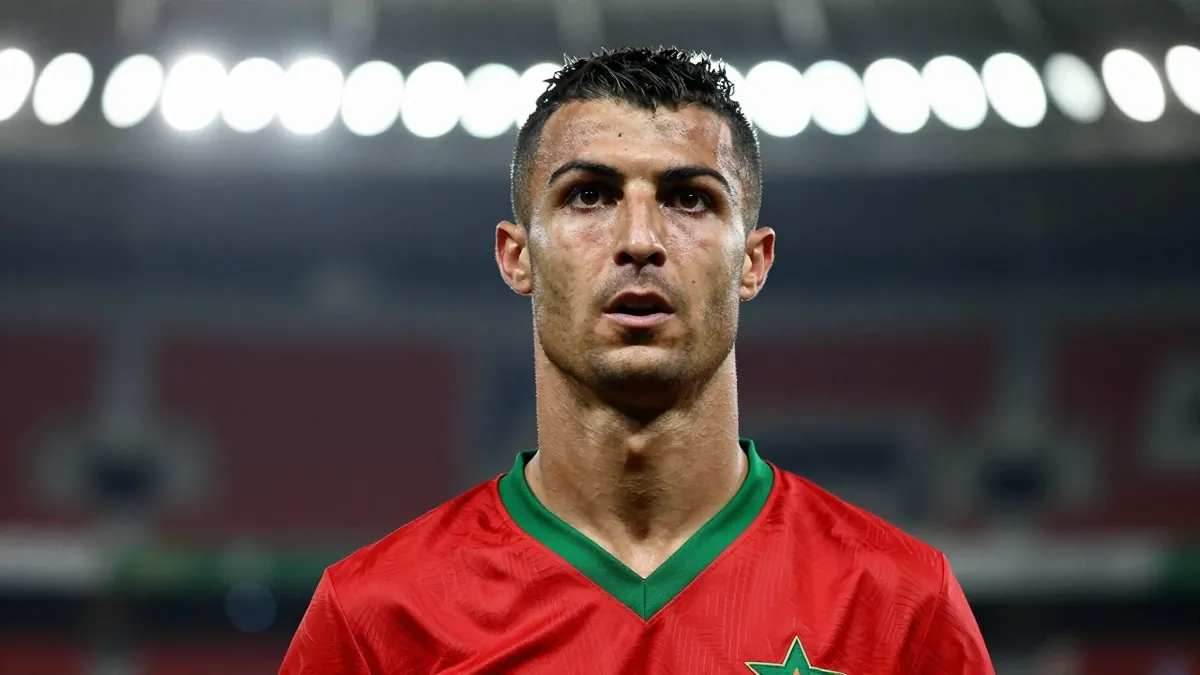
The Morocco national football team is set for a pivotal round of 16 clash against the Netherlands at the 2026 FIFA World Cup, as reported by english.ratopati.com this week. The match in Monterrey pits two sides that reached this stage through different collective experiences, highlighting modern football's evolving identity and nationality landscape.
How did Morocco reach the knockout stage?
Morocco, currently sitting second in the World Cup group standings with 7 points, qualified after a strong group stage performance. The team also accumulated 7 points in a group containing Brazil, Scotland, and Haiti, finishing level on points with Brazil but second on goal difference. Morocco remained unbeaten across its three group matches, scoring 6 goals and conceding only 3, showcasing a disciplined defense. Fans can track the team's detailed path on our standings page.
What is the story behind Morocco's 2026 squad?
Morocco's current 26-man World Cup squad is the practical embodiment of a long-term strategy. Nineteen of the 26 players were born outside Morocco. This phenomenon reached a historic peak when Morocco fielded a starting XI entirely born abroad during a group stage match against Brazil. The Royal Moroccan Football Federation began investing heavily in identifying dual-nationality talent across Europe more than a decade ago. Scouts were deployed in France, Belgium, Spain, and the Netherlands, building relationships with players and their families long before they reached senior international age.
How did players choose between Dutch and Moroccan identities?
Family played as significant a role as football in shaping the players' decisions, said former Morocco technical director Pim Verbeek. This dynamic is clear in the cases of current stars. Hakim Ziyech, born in Dronten and raised in the Dutch system, chose Morocco in 2015 after feeling overlooked by the Netherlands. Ziyech said: "I have always felt Moroccan. Such decisions are made from the heart." Noussair Mazraoui, born in Leiderdorp and a product of Ajax's academy, along with Sofyan Amrabat and Anas Salah-Eddine, who were raised in Dutch football, also chose to represent Morocco.
What is the historical context of this rivalry?
The intertwining paths between the two nations go back further. Driss Bousatta was the first Dutch player of Moroccan descent to play for the Netherlands, earning three caps in 1998 before later playing two games for Morocco. By the 2018 World Cup, five members of Morocco's squad were born in the Netherlands. That number rose to 14 out of 26 in the 2022 squad, the year Morocco became the first African nation to reach the World Cup semi-finals. Today, in the expanded 2026 edition, almost one in four players globally was born outside the country they represent.
What are the current challenges ahead of the clash?
This match comes as Morocco looks to improve on its recent form. The team has lost its last two matches, including a 2-0 defeat to France on July 9, 2026. Its record across the last five games shows a fragile balance: one win, two draws, and two losses (L L W D D). Progressing in the tournament will require rediscovering the defensive solidity that characterized its group stage, where it scored only six goals. Supporters can follow the latest team data on our stats page. The upcoming test against a Netherlands side that topped its group with 7 points and scored 10 goals will measure the will and potential of this unique Moroccan generation, seeking to write a new chapter after its historic 2022 run.