Morocco’s national team forces its way among the giants
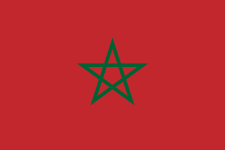
Since reaching the 2022 World Cup semifinals, Morocco’s national team has stopped being a surprise act and turned into proof of a complete sports project. Last result: France 2-0 Morocco (2026-07-09). The climb to the top wasn’t luck or a single gifted generation; it was 15 years of investing in people, infrastructure, and science-based management. Today the world sees Morocco as a template for Arab and African football.
How did Morocco build this model?
Morocco’s rise to the top wasn’t accidental. In 2007, the country launched the Mohammed VI Football Academy to produce players who aren’t just technically skilled but also mentally and physically complete. The academy blended technical training, schooling, health care, psychology, and nutrition into a real talent factory. At the same time, the state poured funds into pitches and training centers across the country, widening the talent pool beyond the big cities.
Why did the Moroccan project succeed?
Morocco didn’t bet on one player or one generation. It tapped its diaspora in Europe, signing thousands who grew up in elite academies in France, Spain, Belgium, and the Netherlands. The Moroccan FA handled them professionally, blending European know-how with Moroccan identity inside one squad.
Officials also knew success at the senior level starts with youth teams. Those sides kept playing in continental and global youth tournaments, giving players early taste of high-pressure football. Moving to the senior side no longer felt like a shock.
How did playing style evolve?
Morocco stopped relying only on individual flair. The style shifted to organized defending, quick transitions, collective pressing, and tactical flexibility. A single Moroccan player can now execute multiple game plans in one match-something on clear display against heavyweights like Belgium, Spain, and Portugal. Those wins weren’t flukes; they were years of planning and work.
What comes after the 2022 semifinal?
Morocco didn’t call the 2022 semifinal the finish line. The team treats it as a checkpoint on a longer road to stay among the world’s elite. Work continues: upgrading the domestic league, boosting women’s football, and preparing to co-host the 2030 World Cup with Spain and Portugal. These steps will push the country to upgrade stadiums, staff, and sports governance.